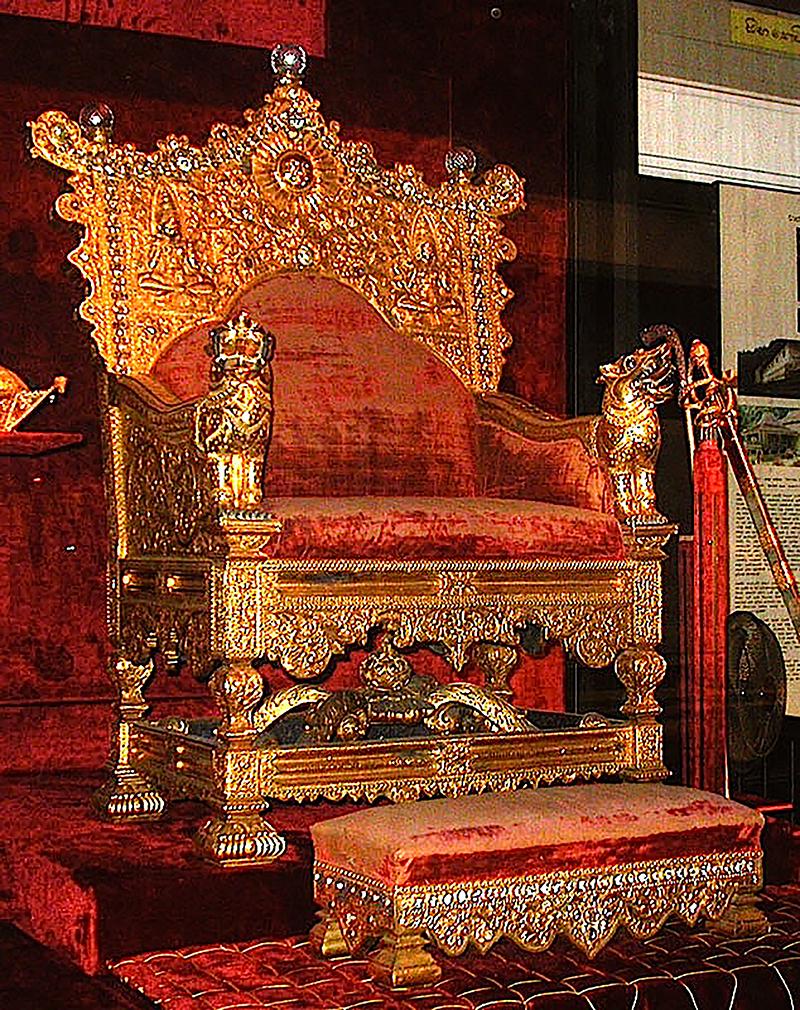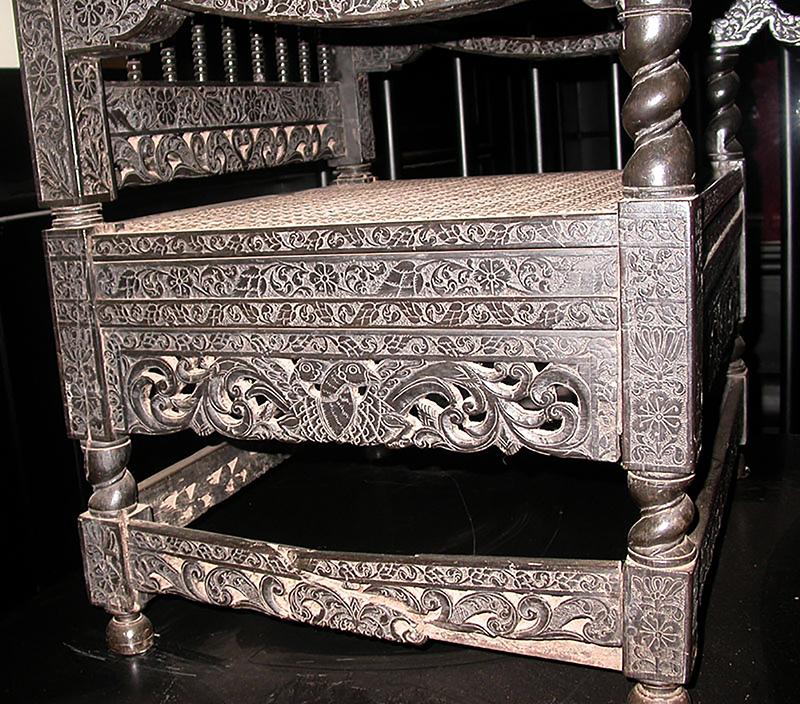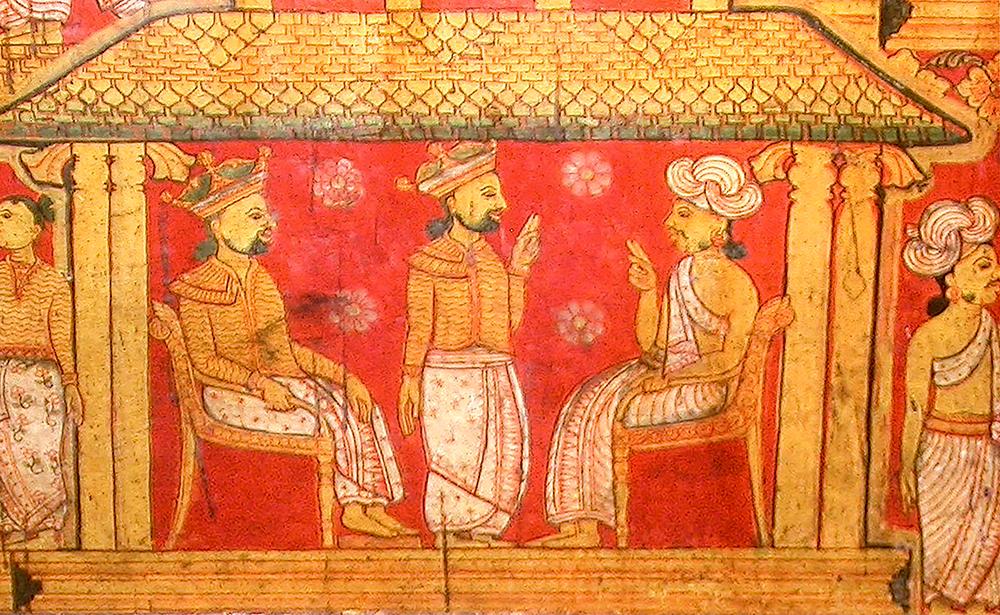
This beautiful coffee table book titled “The Story of Furniture in Sri Lanka,” authored by Ayesha Abdur-Rahman, PhD, and published by The National Trust – Sri Lanka, provides a comprehensive historical study of furniture in Sri Lanka from 3 BCE to the early British colonial period. It explores the evolution of furniture in the island, focusing on religious, secular, and domestic furniture, and analyzes its design, usage, and cultural influences.
Arranged chronologically from Stone and Brick furniture (3 B.C. to 12C.E.), Representational Furniture from 12 CE to 16 C.E. and Colonial furniture from 16 C.E. onwards, the text and the images combine well, a happy result of the author’s Ph.D thesis and her experience in design. She has visited many sites and include include stone beds and seats used in monastic settings found in Anuradhapura, Mihintale, Sigiriya, and Polonnaruwa. The Representational Furniture section includes wall paintings, wooden pillars, painted cloth and wooden chests as well as furniture influenced by South Indian and European styles such as the Tivamka Pilimage wall paintings in Polonnaruwa providing early evidence of courtly furniture styles. The Wooden Furniture of Kandy chapter details the influences by traditional Sri Lankan, South Indian, and European designs often featuring intricate carvings, lacquer work, and hybrid styles categorized into four types: indigenous, traditional, derivative, and hybrid forms.
A separate chapter is devoted to Velivita Sri Saranankara Museum’s Furniture Collection (1698-1778). He was a key figure in the Buddhist revival during the Kandyan period and his collection includes traditional beds, stools, and other furniture, showcasing the craftsmanship and cultural influences of the time.
The Colonial Furniture section which covers the arrival of Portuguese, Dutch, and British colonial powers presents European furniture styles introduced to Sri Lanka influencing local furniture design, leading to hybrid forms. Rare tropical hardwoods like ebony, calamander, and satinwood were widely used during this period.